

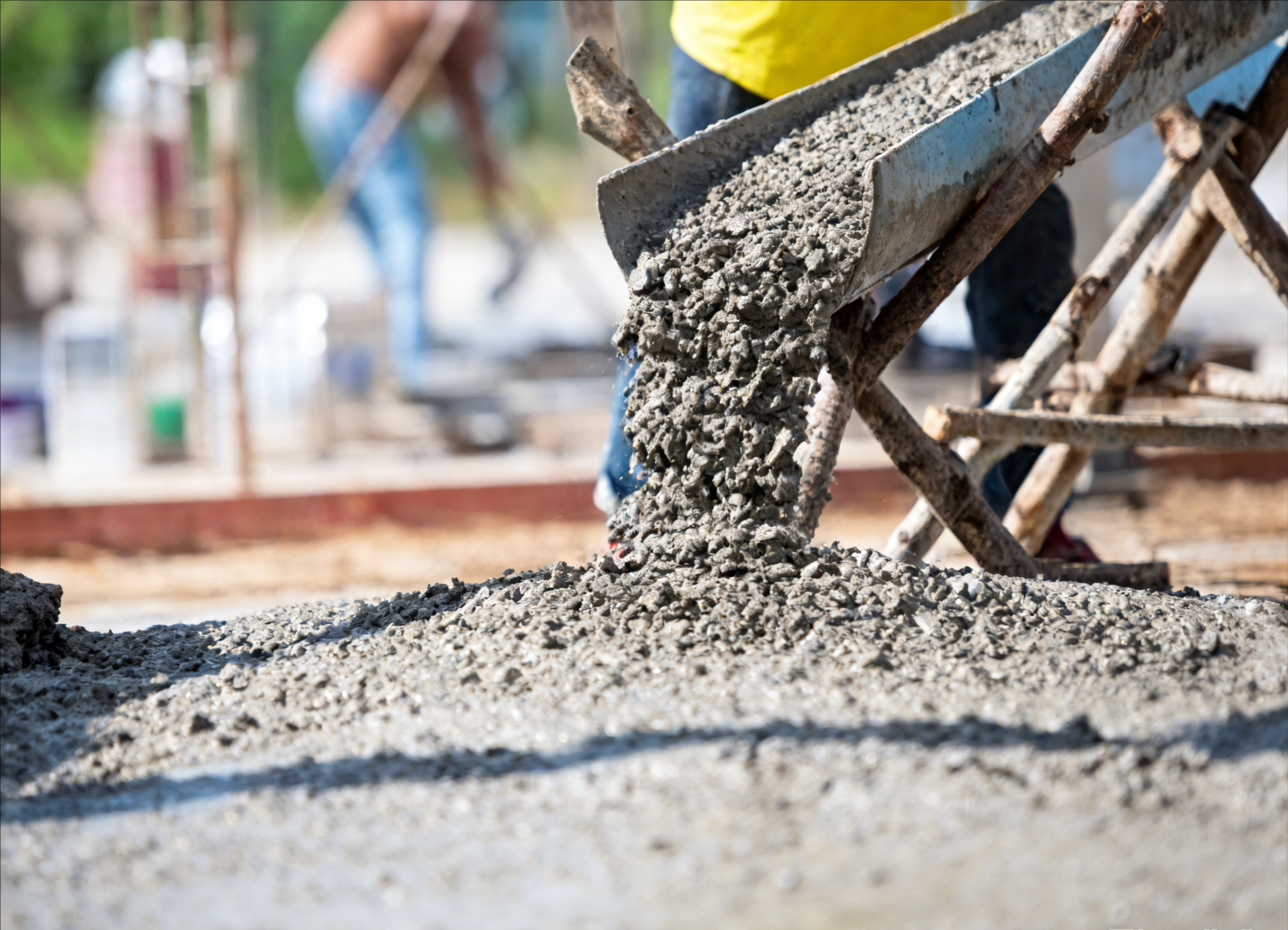
The imbalance between cement supply and demand is unlikely to see substantial improvement in the short term. Cement demand is projected to show a moderate decline in 2026, though the rate of decline may narrow with the accelerated implementation of major infrastructure projects. Since 2025, the real estate market has continued to bottom out, while infrastructure investment growth has slowed, persistently weakening its pull on cement demand. Cement output continues to decline. In the first three quarters, only Tibet and Ningxia among China's 31 provinces/regions recorded year-on-year growth, while Northeast, Northwest, East China, and North China regions saw declines exceeding the national average. Supply-side measures such as off-peak production and capacity replacement, along with policies like the “dual carbon” goals, have partially optimized the supply structure. However, the industry still faces significant overcapacity pressures. By the end of September 2025, cement capacity utilization had dropped below 50%, further intensifying the supply-demand imbalance. The inventory-to-capacity ratio continued to rise, while cement prices fluctuated at low levels. Slower growth in traditional infrastructure investment, slow recovery of confidence in the real estate market, and insufficient reserves of new construction projects remain the primary factors dragging down cement demand in 2026. The supply-demand imbalance is unlikely to see substantial improvement. However, as the opening year of the 15th Five-Year Plan, major infrastructure projects are accelerating implementation with enhanced funding guarantees. alongside ongoing urban renewal and old-area renovation projects, are expected to form the core support for cement demand. Policies like “dual carbon” and “dual control” will continue optimizing industry supply. Overall cement demand in 2026 is projected to show a moderate decline, with the rate of decrease likely narrowing.
The widening cement-coal price spread in 2025 slightly improved cement companies' profitability, though the recovery was limited. Profitability is expected to remain under pressure in 2026. Amid worsening structural supply-demand imbalances, cement prices followed a “high-opening, low-closing, fluctuating downward” trajectory in the first three quarters of 2025. However, benefiting from fluctuating downward coal prices, the cement-coal price spread slightly widened, leading to a modest increase in industry profitability. The number of loss-making enterprises decreased year-on-year, and operating cash flow improved. Nevertheless, profit recovery remained limited, Overall operating performance remained under pressure, debt financing scale continued to grow, and debt repayment capacity indicators weakened. In 2026, amid a projected moderate decline in total cement demand, cement prices are expected to continue fluctuating at low levels. Meanwhile, the coal market is anticipated to remain broadly balanced with relatively stable price levels. Cement companies' coal cost pressures are unlikely to ease in the short term, compressing industry profit margins and making it difficult for profitability to improve.
Industry Bond Issuance and Conclusions: From January to November 2025, the scale of new bond issuances by cement companies decreased compared to the same period last year. New issuers predominantly held high credit ratings, with medium-to-long-term bonds accounting for a significant proportion, and issuance costs showing a downward trend. Existing bond issuers were mainly central state-owned enterprises (SOEs) and local SOEs, exhibiting generally sound qualifications and high concentration. Against the backdrop of insufficient domestic demand, companies are expanding revenue and profit sources through overseas capacity deployment and market expansion. Given cement's strong regional attributes determined by its transportation radius, the operational performance of cement companies correlates with real estate, infrastructure investment, and local government financial capacity within their regions. Close attention should be paid to local state-owned enterprises and private companies operating in underdeveloped sales regions, experiencing significant performance declines, heavy debt burdens, and high financing costs.
If you have any questions, please feel free to contact SunSirs with support@SunSirs.com
- 2026-01-20
- 2026-01-15
- 2026-01-14
- 2026-01-05 SunSirs : 2025 년 중국 시멘트 산업의 주요 이벤트 검토
- 2025-12-30 SunSirs : 중국의 시멘트 생산량은 2025 년 1 월 - 11 월에 15 억 4900 만 톤에 도달했으며 전년 동기 대비 6. 9% 감소했습니다.


