

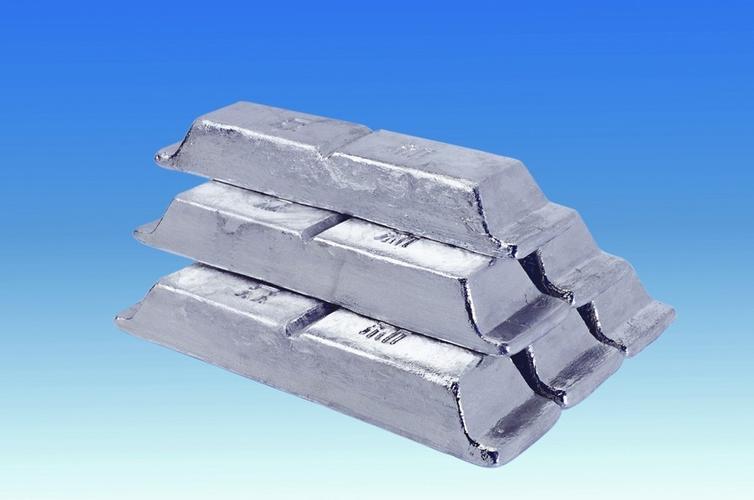
Aluminum prices rose by 6.3% in January
Aluminum prices remained strong in January, although they have recently experienced a slight decline. According to SunSirs’ commodity price analysis system, as of January 19, 2026, the average price of domestic aluminum ingots in the East China market was 23,890 RMB/ton, an increase of 6.3% compared to the average market price of 22,473.33 RMB/ton on January 1st; and a decrease of 3.17% compared to the monthly high (January 14th) of 24,673.33 RMB/ton.
In January 2026, aluminum prices continued the strong momentum from 2025, surging in the first half of the month and repeatedly reaching new highs. This was primarily driven by three main factors: rigid supply constraints, structural demand growth, and the combined effect of macroeconomic factors and capital flows. These factors, coupled with low inventory levels and rising costs, created a "prone to rise, difficult to fall" market dynamic. The specific reasons are as follows:
1. Rigid constraints on the supply side
The domestic production capacity limit of 45 million tons for electrolytic aluminum remains in effect, resulting in limited new capacity. The increasing proportion of molten aluminum further compresses the supply elasticity of aluminum ingots. According to data from the National Bureau of Statistics in 2025, the annual production of electrolytic aluminum reached 45.02 million tons, a year-on-year increase of 2.4%.
Overseas supply disruptions were intensifying: South Africa's Mozal Aluminium (with an annual capacity of 580,000 tons) will shut down in March due to power issues, and Iceland's Century Aluminium was experiencing reduced production due to equipment malfunctions. Global overseas capacity reductions may exceed 1 million tons, resulting in a global supply growth rate of only 1%-2% in 2026, and a projected supply-demand gap of 290,000 to 840,000 tons.
Global aluminum inventories have fallen to a five-year low (LME inventories are approximately 800,000 tons), weakening the buffering effect of inventories on prices and reinforcing expectations of "low inventories + tight supply."
2. Structural growth on the demand side
The surging demand for aluminum in emerging sectors such as new energy vehicles, photovoltaics, energy storage, and computing infrastructure is driving increased consumption of high-end aluminum materials.
The start of China's 15th Five-Year Plan and the implementation of stable growth policies, coupled with the adjustment of photovoltaic export tax rebate policies (cancelled from April 1st), have led to a short-term increase in production and a temporary boost in demand.
The sharp rise in copper prices has led to a higher copper-to-aluminum price ratio, resulting in a substitution effect of aluminum in some sectors and driving up demand for aluminum.
3. Resonance between macro and financial aspects
Market expectations of the Federal Reserve continuing its interest rate cutting cycle in 2026, coupled with loose liquidity, are boosting the attractiveness of non-ferrous metals, while a weaker dollar reduces holding costs.
Following the surge in copper prices, capital was flowing into the aluminum market seeking further gains, leading to a significant increase in futures positions and trading volume, reinforcing the upward price momentum.
Global geopolitical risks and fluctuations in energy costs are increasing the risk premium for commodities, and coupled with positive domestic policy expectations, market sentiment is generally optimistic.
In summary, the current surge in aluminum prices is the result of a confluence of factors including supply constraints, demand growth, macroeconomic easing, and low inventories. In the short term, prices may fluctuate due to market sentiment and seasonal inventory build-up, but the medium-to-long term outlook remains supported by supply and demand fundamentals. Key factors to watch going forward include: the extent of inventory build-up before and after the Chinese New Year, the actual implementation of overseas capacity closures, the pace of Federal Reserve interest rate cuts and the trend of the US dollar, the sustainability of demand in the new energy sector, and the downstream industries' acceptance of higher prices and their ability to pass on costs.
If you have any inquiries or purchasing needs, please feel free to contact SunSirs with support@sunsirs.com


