

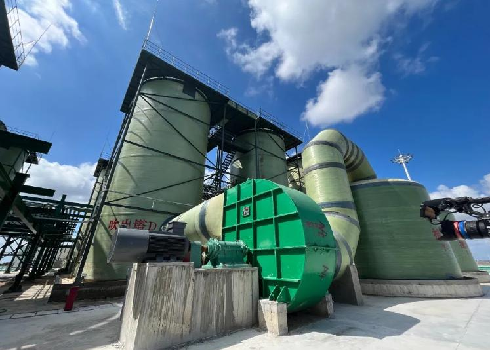
Bromine is the only non-metallic element that is liquid at room temperature. Its chemical formula is Br2, and it is a dark reddish-brown liquid with a pungent odor. Bromine is chemically reactive and can form a wide variety of inorganic bromides as well as numerous bromine-containing organic compounds. Due to the unique physical and chemical properties of different bromides, bromine has become a widely used basic chemical raw material and is one of the key raw materials in chemical production and even in overall industrial production.
Let's look at the price of bromine: According to the business data analysis system of SunSirs, the overall price trend of bromine in 2025 rose, with the average market price at the beginning of the year being 21,900 RMB/ton and the average market price at the end of the year being 36,100 RMB/ton, representing a price increase of 64.84%.
The monthly candlestick chart for bromine shows that in 2025, prices rose in eight months, fell in three months, and remained unchanged in one month. The largest increase occurred in March, with a price increase of 33.03%, while the largest decrease occurred in April, with a price drop of 25.5%.
Looking at the annual comparison chart for bromine, it can be seen that bromine prices have been generally weak this year, and the price is currently at a relatively low level compared to the past five years.
Let's look at the specific price trends of bromine: From January to February, bromine prices remained stable. During this period, companies stocked up on bromine before the Chinese New Year, and production resumed gradually after the holiday. However, downstream demand remained primarily on-demand purchasing, and the supply-demand balance suggested that bromine prices would continue to consolidate. In March, bromine prices rose due to tight bromine inventory and active demand from downstream flame retardant manufacturers. Delayed imports of bromine also contributed to the price increase, and prices were expected to remain stable with a slight upward trend in the short term. In mid-to-late April, bromine prices fell, mainly because bromine companies increased production as the weather warmed, leading to higher inventory levels. Furthermore, China's high dependence on bromine imports, which had previously been disrupted, returned to normal. The earlier price increase was met with resistance from downstream buyers, who mostly purchased on an as-needed basis, resulting in weaker bromine prices. From May to the end of August, bromine prices continued to rise. As the weather warmed, downstream demand improved, and environmental inspections reduced the pressure on bromine inventories, leading to firm prices. This period also experienced reduced supply due to the rainy season, but downstream demand was generally stable, resulting in firm prices due to the supply-demand balance. September saw a slight downward trend. Although the "Golden September and Silver October" period should have led to price increases, and despite the impact of environmental inspections and rainfall, which kept bromine inventories from becoming excessive and led to tight market supply, downstream resistance to higher bromine prices caused prices to decline. From early October to the end of the year, bromine prices consistently increased.
Although bromine prices in 2025 were historically low, they trended upward throughout the year. Will this strong market performance continue into 2026?
Supply side: From the supply perspective, the supply of bromine in China has shown relatively small fluctuations, with an overall stable trend. Due to the decreasing availability of underground brine resources, the increase in China's bromine production capacity is slow. Data shows that in 2025, the domestic bromine production capacity will be approximately 85,000-95,000 tons, with a production volume of 63,000 tons.
In terms of imports and exports: Currently, China's domestic bromine market has a low self-sufficiency rate, and bromine is heavily reliant on imports. China's bromine self-sufficiency rate has remained low in recent years, and the high dependence on imports means that the bromine supply chain is constrained by countries such as Israel, the United States, and India. Customs data shows that China's annual bromine imports will approach 80,000 tons in 2025.
Regarding flame retardants, persistently weak downstream demand has led to slow inventory depletion for manufacturers. Major manufacturers of tetrabromobisphenol A (TBBPA) are operating at low capacity, and prices remain low. TBBPA prices are close to the cost line, significantly compressing profit margins. Furthermore, the lack of orders means that bromine purchases are mainly for sporadic replenishment, and flame retardant manufacturers are only purchasing for immediate needs.
Market outlook
According to SunSirs' analysis, bromine prices have remained firm recently. The downstream flame retardant and intermediate industries are providing only moderate support. Current bromine production levels are at their lowest point of the year, and manufacturers generally have insufficient inventory. Important news has also emerged from the overseas market, with some bromine factories in Jordan temporarily suspending production. China's bromine supply remains relatively unchanged, relying on imports from abroad. Overall, it is expected that bromine prices will maintain their strong performance in the short term.
If you have any inquiries or purchasing needs, please feel free to contact SunSirs with support@sunsirs.com
- 2026-01-05 SunSirs : les prix du brome ont généralement augmenté en décembre
- 2025-12-23 SunSirs : Les prix du brome restent forts et fermes le 23 décembre
- 2025-12-05 SunSirs : les prix du brome ont augmenté globalement en novembre
- 2025-11-28 SunSirs : Les prix du brome ont poursuivi leur tendance à la hausse cette semaine (24 - 27 novembre)
- 2025-11-21 SunSirs : Les prix du brome ont poursuivi leur tendance à la hausse cette semaine (17 - 21 novembre)


