

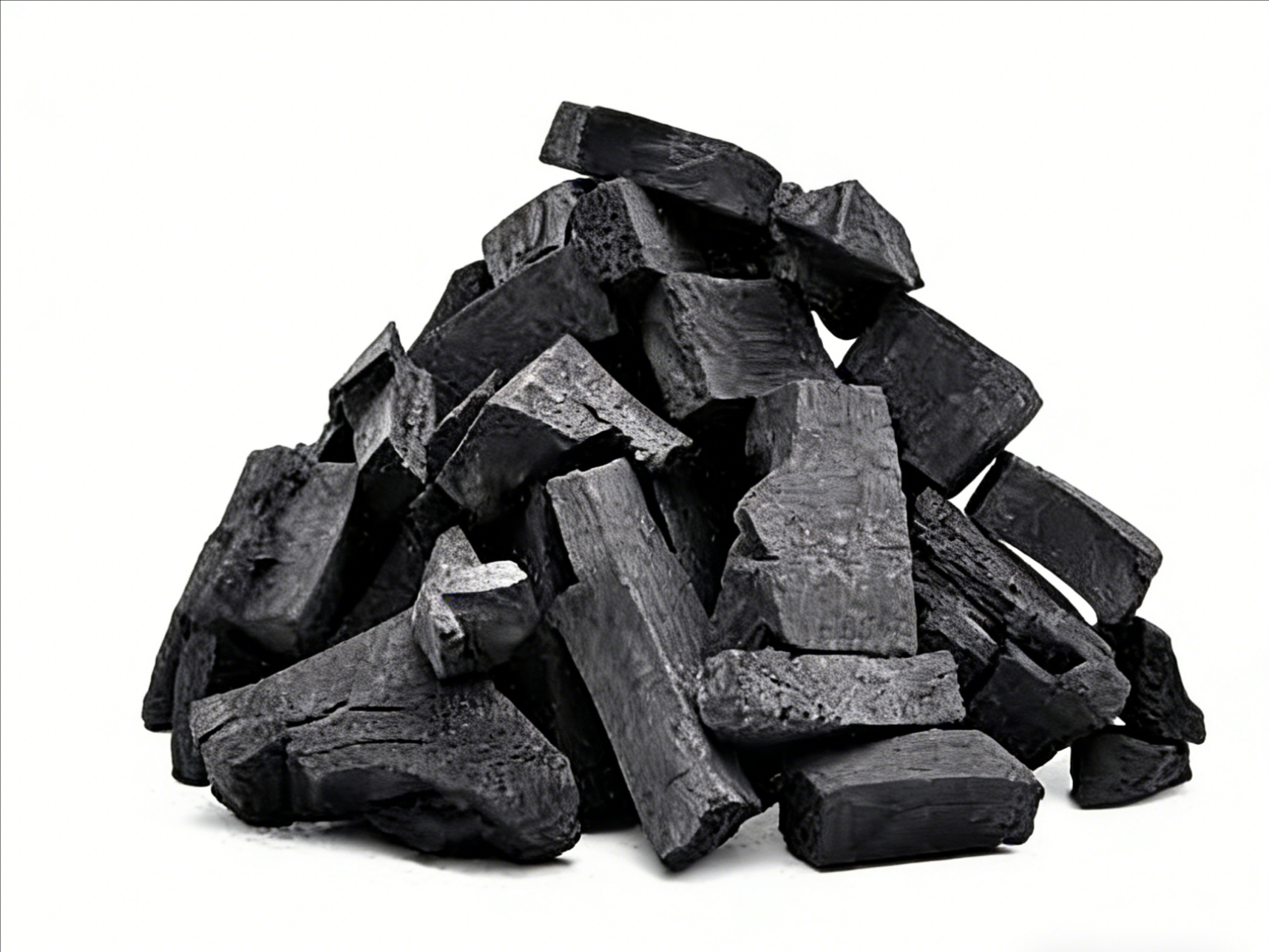
At the start of the new year, spot coke prices have been cut again. In less than a month, spot coke prices have fallen four times consecutively.
This round of price reductions stems from multiple factors. First, steel mills shifted into loss-making territory after October last year, with molten iron output declining for 12 consecutive weeks, weakening coke demand. Second, the rebound in Mongolian coal imports, coupled with falling thermal coal prices, caused coking coal prices to plummet. The weakened cost support pushed coke prices down accordingly. Third, steel mills showed low enthusiasm for restocking. The latest coke inventory-to-production ratio at steel and coking plants stood at 7.03, hitting a three-year low. Medium-to-large steel mills' coke inventory days of supply were only 12.1 days, down 1.1 days compared to the same period in 2024.
However, coking profits gradually improved after the first price reduction. Previously, rising coking coal prices had caused coking plants to operate at slight losses for most of November last year. With coal prices declining, coke prices fell in tandem but to a lesser extent than coking coal, leading to improved coking plant profits. Taking Shanxi Province as an example, the average profit per ton for coking plants in Shanxi reached approximately CNY60 in December last year, an increase of about CNY85 per ton compared to November.
Data indicates that despite the temporary recovery in coking plant profits, coke supply has not significantly increased. The average daily output of all sampled coking enterprises fluctuated between 620,000 and 650,000 tons, with capacity utilization rates maintaining between 71.5% and 73%. Seasonal restocking by steel mills remains low, concentrating coke inventory pressure primarily at the front-end coking plants.
Coking coal fundamentals have shown no significant contradictions over the past two years, primarily tracking coking coal price fluctuations. Recent coking coal output has not increased notably; during the final week of December last year, the average daily coking coal output from 523 coal mines nationwide decreased by 49,500 tons compared to the previous week. Meanwhile, downstream restocking of coking coal has shown signs of resuming. The latest coking coal inventory days of supply for steel mills and coking plants stands at 12.75 days, marking four consecutive weeks of recovery. Historical data suggests that downstream coking coal inventories are likely to be replenished to 14-15 days of supply before the Spring Festival. Additionally, daily pig iron output from blast furnaces shows signs of bottoming out. During the last two weeks of December last year, the cumulative daily pig iron output from 247 blast furnaces nationwide increased by 8,800 tons, while the proportion of profitable steel mills also rose by 2.17 percentage points. Under these circumstances, pig iron output still has room for further recovery. Therefore, the scope for further declines in coking coal prices is limited, and the potential for continued downward pressure on coke prices is also constrained.
As an integrated internet platform providing benchmark prices, on January 14th, the benchmark price of coke according to SunSirs was 1391.25 RMB/ton, a decrease of 3.55% compared to the beginning of the month (1442.50 RMB/ton).
Application of SunSirs Benchmark Pricing:
Traders can price spot and contract transactions based on the pricing principle of agreed markup and pricing formula (Transaction price=SunSirs price + Markup).
If you have any questions, please feel free to contact SunSirs with support@SunSirs.com
- 2026-01-16
- 2026-01-05 SunSirs : Energy Industries Bulk Commodity Intelligence (le 5 janvier 2026)
- 2026-01-05 Source : L'Inde impose des droits antidumping provisoires sur le coke chinois à faible teneur en cendres
- 2026-01-04 SunSirs : Le marché chinois du Coca-Cola était principalement faible la semaine dernière
- 2025-12-31 SunSirs : Les marchés du coke pétrolier et du coke de la Chine augmentent et baissent le 31 décembre


